


Codex
SCHOLARLY PRESS
Scroll to conduct the origin story
Chapter Zero — The Beginning
"Every great work begins with a blinking cursor
and ends with a spine on a library shelf."

7.4 yr
avg. time from idea to manuscript
The Solitary Act of Thinking
The question that has occupied this inquiry since its inception...
Scholarship begins in solitude. Years of archival work, field research, theoretical construction — accumulated in notebooks, hard drives, and the margins of borrowed library books.
We know this moment. The weight of what you have built, and the uncertainty of what it might become. Codex exists for exactly this threshold — between the private act of thinking and the public life of a book.
40,000+
manuscripts reviewed annually
180+
universities represented
94
citation indexes covered
The Editorial Dialogue
Our editors are scholars first. They bring the same rigor to your manuscript that you brought to your research — line by line, argument by argument, in genuine intellectual dialogue, not administrative processing.
Every annotation you see is a conversation. We believe a manuscript becomes a book in the space between an author's intention and a reader's understanding — and that space is shaped by careful, respectful editing.
Subject-specialist editors
Assigned by discipline and sub-field
Two-stage peer review
Blind review with written feedback
Author retains full voice
No house-style homogenization
Draft Manuscript — Peer Review Copy
DO NOT CITE WITHOUT AUTHOR'S PERMISSION
Hover annotations to read editorial notes
The Art of Typesetting
A book's design is not decoration — it is the architecture of reading. We treat every spread as a considered composition, balancing text, white space, and apparatus with the same care an architect gives a building's proportions.
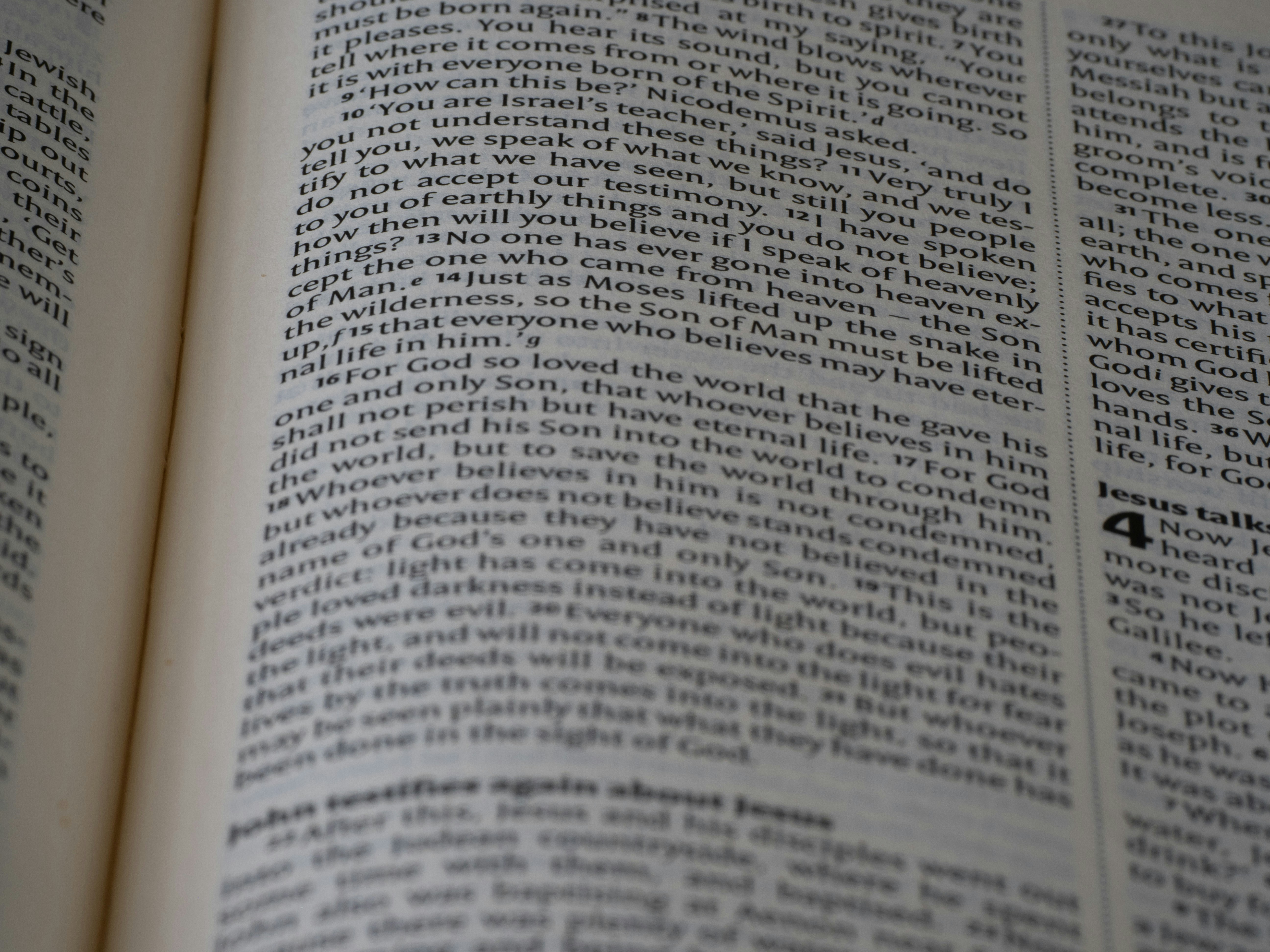


Typeface selection
Chosen per discipline — humanist for humanities, geometric for STEM
Margin architecture
Wide outer margins for footnotes and annotations, as tradition demands
Paper specification
80gsm acid-free, cream-tinted for extended reading comfort
Binding method
Smyth-sewn hardcover with cloth or leather options for monographs
Index and apparatus
Full subject, name, and concept index built by specialist indexers
Sample typesetting — Fraunces / 10pt / 14pt leading
"The archive does not speak — it is made to speak, by the scholar who brings questions it was never asked to answer. This is the fundamental epistemological condition of historical research."
Chapter IV
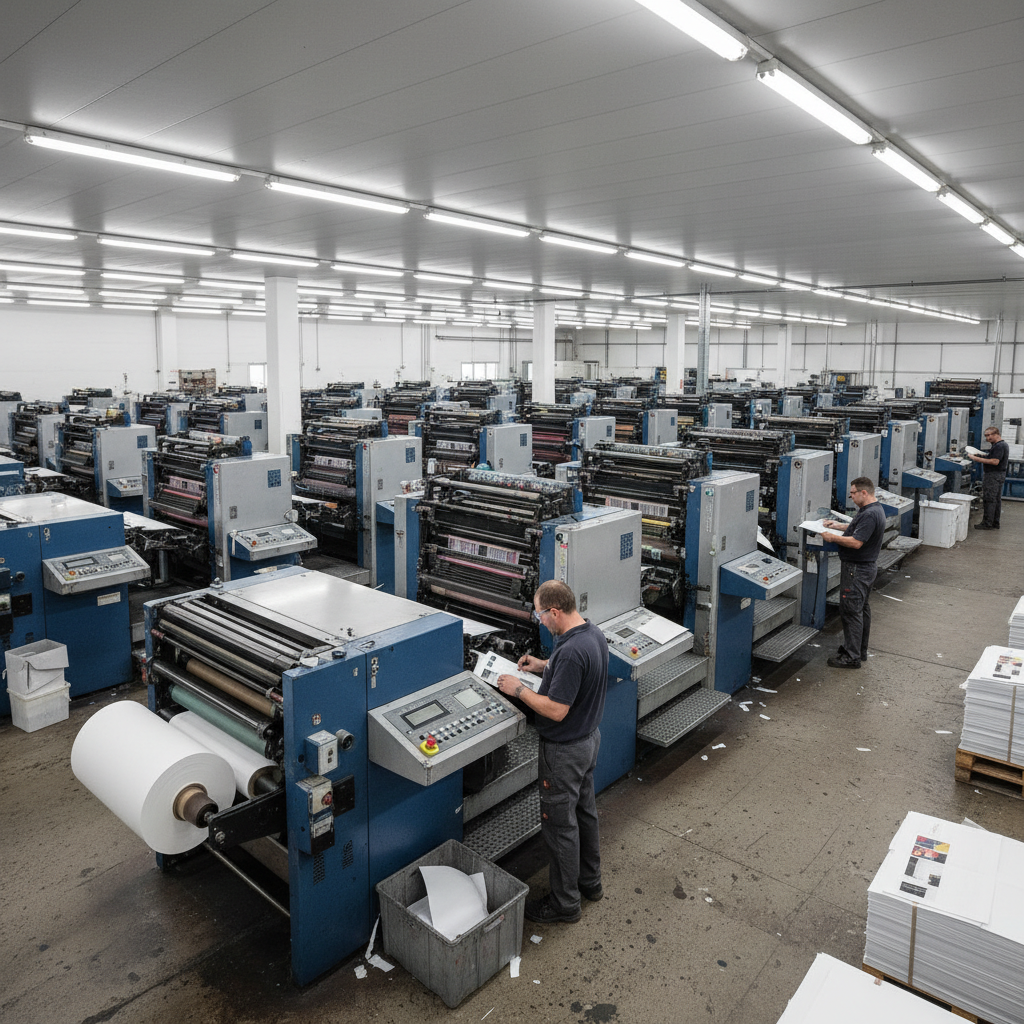
The Press
Where thought becomes paper. Where paper becomes permanence.
2,400+
Volumes in print
across all disciplines
98.7%
On-time delivery
from approved proof to shelf
340
Library partners
worldwide acquisition agreements
6 wks
Proofing cycle
from typeset to author approval
Distribution & Indexing Partners
JSTORProject MUSEWorldCatScopusWeb of ScienceDOAJCrossRefGoogle ScholarYour Work,
Celebrated.
The loneliness of research ends here. Your book launch is an event — covered in academic media, celebrated by your institution, distributed to every library that matters.
Finally, a press that treats the monograph as an art form, not a commodity. The typesetting quality is simply unmatched in academic publishing today.
Prof. Miriam Osei-Bonsu
Editor-in-Chief, Journal of African Intellectual History
HumanitiesFrom manuscript submission to bound copy, the process was transparent, rigorous, and — remarkably — humane. My book found its truest form here.
Dr. Sebastián Varga-Montoya
Associate Professor, Universidad Complutense de Madrid
Social SciencesThe indexing and distribution reach exceeded anything I achieved with a major commercial press. Within six months, the monograph had 140 library acquisitions.
Dr. Priya Ramanathan
Research Fellow, Tata Institute of Fundamental Research
STEMReserve Your Place on the List
Join the scholars already waiting. We open submissions in cohorts — your place in the queue is your place in history.
No spam. No marketing lists. Only your cohort invitation when we open.
Already have a complete manuscript?